
EQUIPMENT & SUPPLIES / A PATRIOT HOMEOWNER GUIDE
Can a robotic cleaner replace pool maintenance?
A robotic pool cleaner handles part of debris removal. Compare coverage, handling and the water-care routine your pool will still need.
Start with the answer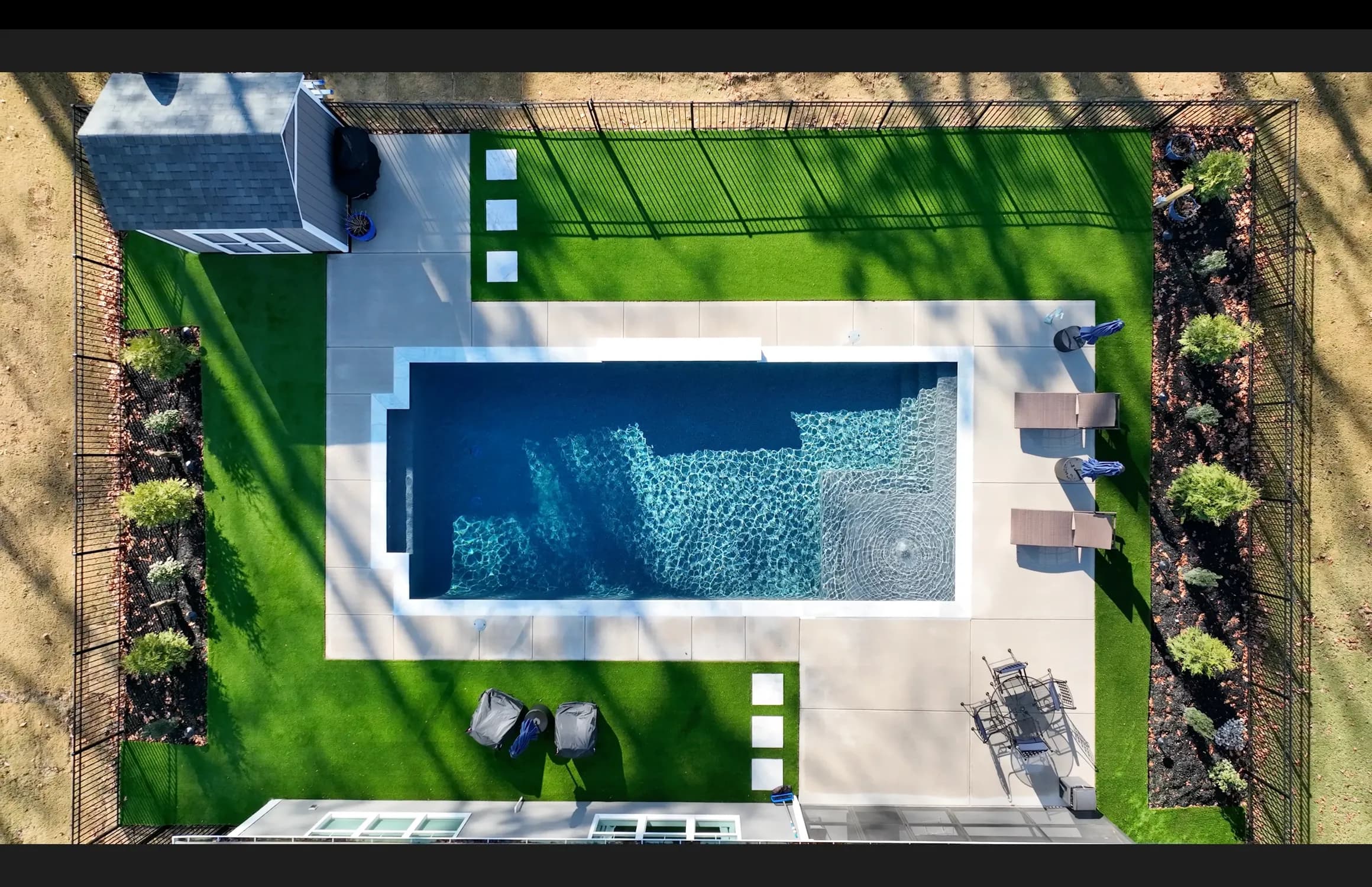
A robotic pool cleaner can help with debris removal, but it cannot replace the whole maintenance routine. Water testing, chemical balancing, filter care and owner observation remain separate jobs. Choose a cleaner for the work it is designed to do, then plan the work that stays with you or a service provider.
The practical purchase question is not “Which robot has the most features?” It is “Will this model clean the areas that matter, handle the debris we get and fit our routine?” Pool shape, finish and everyday handling make that question specific.
Use this guide before a robotic-cleaner conversation at the Cornelius store. Bring the tasks you want to hand over and the routine you will still keep.
What to keep in mind
- A cleaner’s stated coverage and your pool’s layout need to match.
- Large leaves, fine debris and awkward areas can require different collection and care decisions.
- Lifting, emptying, storage and cable or charging arrangements matter in everyday use.
- Keep water care and filter service in the routine even when a robot handles some physical cleaning.
Separate debris removal from water care
A cleaner purchase should begin with the job you want to reduce. Leaves on the floor, fine material, wall cleaning and waterline attention are different needs. A model may advertise several of them, but its stated coverage and instructions still need to be checked.
Cleaning and water care are distinct. CDC home-pool guidance recommends chlorine and pH checks; a robot’s debris collection does not perform those measurements. A clearer floor does not establish the sanitizer condition or replace the pool’s chemical-care routine.
Nor should a robot be assumed to service the main filter, inspect the heater or explain an unusual pump sound. If those jobs are the reason you want help, compare a weekly maintenance plan as well as a cleaner. The choice can be a combination of equipment, owner tasks and professional care.
Write down the task that is bothering you most before shopping. “Fine debris collects in this corner” leads to a more useful comparison than “I want the best cleaner.” It also gives the store team a reason to ask about pool shape, finish and the places you currently clean by hand.
Check coverage against your pool shape and surfaces
Bring dimensions, the surface finish and a simple layout. Include the depth changes, steps, benches, ledges and any spa arrangement. A photograph helps explain the shape, but a photograph alone may not establish dimensions or material compatibility.
Check the named model’s stated pool-size limit and coverage. Floor-only cleaning is a different purchase from floor, wall and waterline cleaning. Do not infer a claim about steps or a shallow shelf from a broad promotional phrase such as “complete pool cleaning.” Ask about those particular areas.
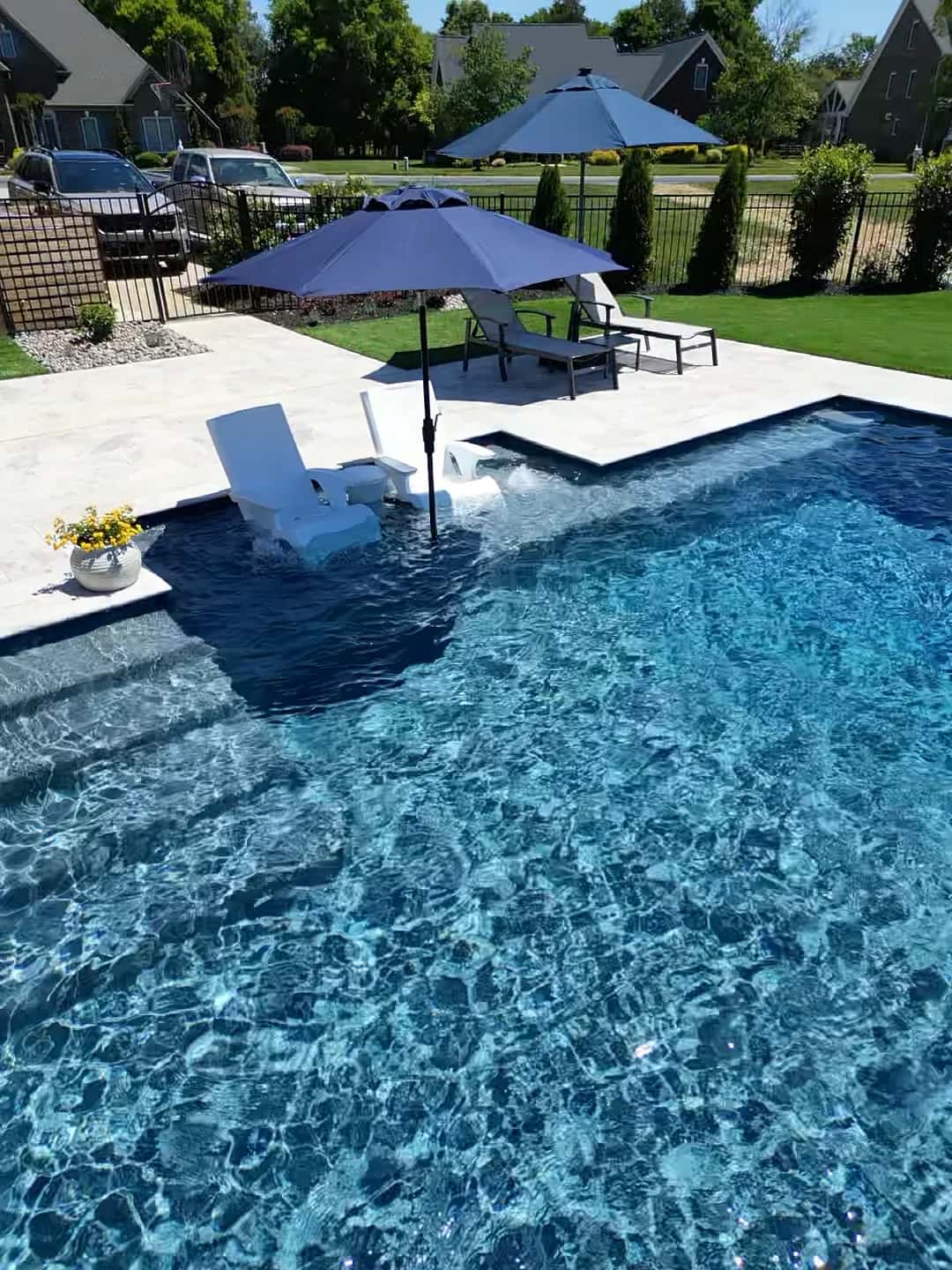
The original shelf photograph below makes the question concrete. It shows loungers and a shallow seating area next to deeper water. Before buying a cleaner for a pool with those features, ask how the model handles the change and which areas may still need manual care. The image does not establish that any particular robot can clean it.
Finish suitability matters too. Ask for the actual manufacturer guidance for your surface. If the finish is unknown, bring builder information or arrange to identify it rather than assuming every cleaner is suitable.
Compare filters, handling and cable or battery needs
Describe the debris the cleaner will encounter. Large leaves and fine material may call for different collection features. Ask which basket or filtration media comes with the exact unit, what other options exist and how the container is accessed after use.
A historical design example is Pentair’s Prowler 920, whose product page describes separate large- and fine-debris baskets. The page marks that model discontinued. The example illustrates a question to ask about collection; it is not a current product recommendation or evidence that Patriot stocks it.
Handling can decide whether the cleaner gets used. Ask about the unit’s stated weight, the manufacturer’s retrieval instructions and where it can be stored. Consider who will lift, empty and put it away. A model that is inconvenient for the person using it may not solve the original workload.
Check the cable or charging arrangement against the place it will be used and stored. Follow the actual manufacturer instructions rather than improvising an electrical setup from a photo. App control can be useful if you want it, but it should solve a real task rather than become another feature you never use.
| Your question | Check on the exact model | Why it matters |
|---|---|---|
| What lands in the pool? | Basket access and included filtration media. | Different debris can require different collection features. |
| Where must it reach? | Stated floor, wall, waterline and feature coverage. | A broad claim may not answer a steps or shelf question. |
| Who will handle it? | Weight, retrieval instructions and cleaning access. | Ownership includes emptying and storage. |
| Where will it operate? | Cable or charging requirements and storage instructions. | The setup needs to fit the actual site. |
Allow for steps, benches and other hard-to-reach areas
Plan for the places that may still need a brush or another suitable tool. Ask the manufacturer or store about the particular configuration rather than assuming the cleaner will solve every reach problem. The aim is to make the routine practical, not to buy a promise that ignores the shape.
Look at obstacles and the intended operating routine too. If a feature changes the cleaner’s access, describe it. Follow the model’s instructions about pool use while it operates and do not treat the presence of a robot as a reason to leave children or swimmers unsupervised.
If you already own tools that work well in those areas, keep them in the comparison. A cleaner may reduce part of the work while a surface-compatible brush and net remain useful. The maintenance-tools service can help frame that store conversation.
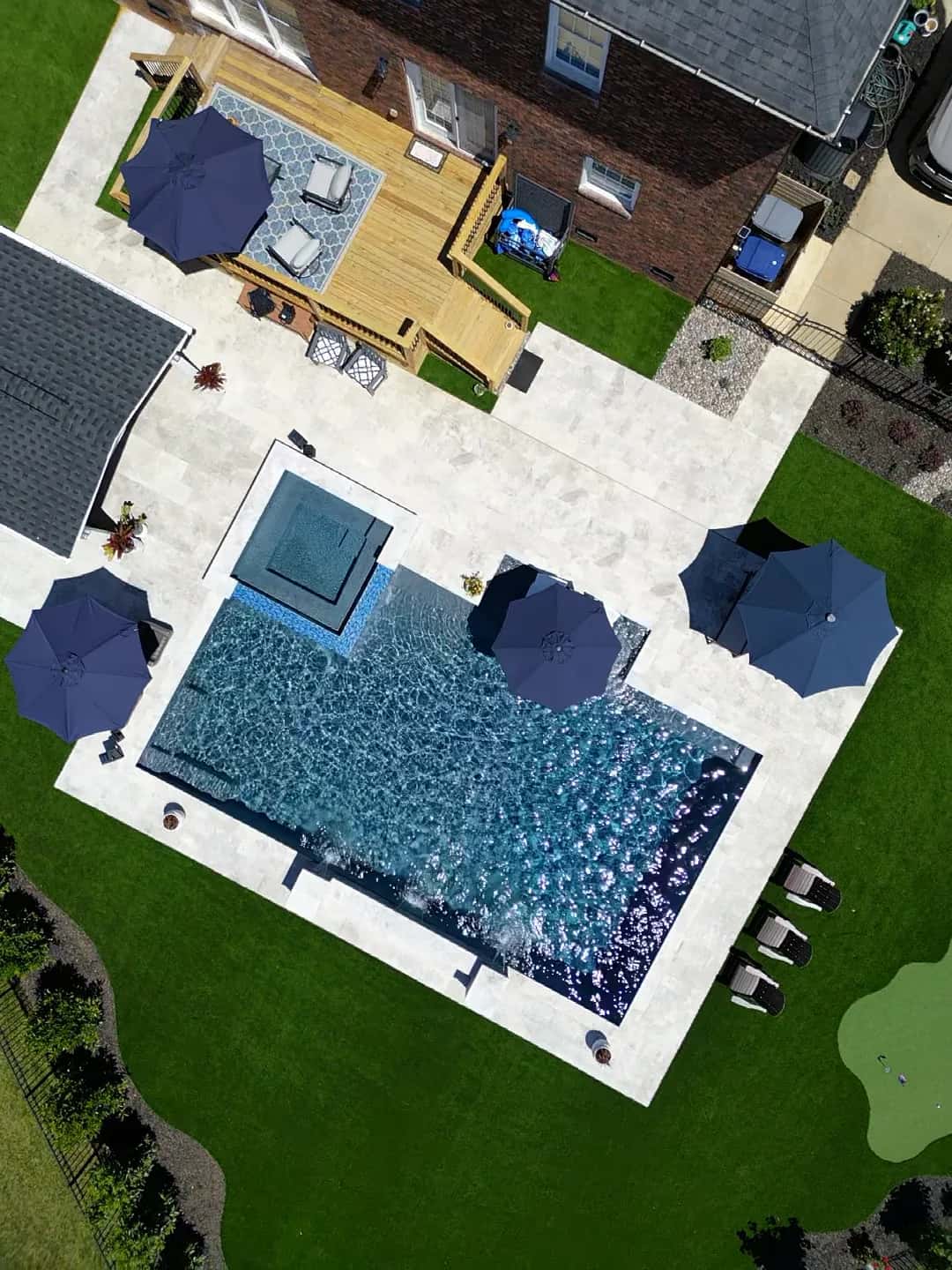
A pool-and-spa layout also needs a specific answer about where the unit is intended to operate. Do not assume that one model can clean both bodies of water or every spillover arrangement. Bring the layout and ask before purchasing.
Build a realistic routine around the cleaner
List the work that remains after debris collection. That may include regular water checks, interpreting results, suitable manual cleaning, filter care and recording equipment changes. A cleaner can be part of that routine without being its substitute.
If you plan to use a service provider, ask how the cleaner fits the service scope. Do not infer that buying a robot removes every recurring visit or that every provider handles the robot’s basket. Agree who does which task and what happens between visits.
The water-testing visit guide helps organize the chemistry conversation. The equipment research collection gives the source and limits for the manufacturer example used here.
Keep the model instructions with the service record. A change in how the cleaner behaves can be easier to discuss when you know the cycle used, the area missed and the debris collected. A useful record describes the observation instead of assuming a failed part.
Match a cleaner to your pool before buying
Bring the pool dimensions, finish, feature layout and your main cleaning task to the Cornelius store conversation. If you are replacing a cleaner, include its model and what you want to improve. A missed shelf and difficult lifting are different reasons to consider another unit.
Ask about current model availability, support, replacement consumables and the actual terms supplied with the product. The website does not show live stock, reserve a unit or establish which brands are available today. Confirm a specific product before traveling.
Finish the comparison with a practical answer: what the proposed cleaner is intended to cover, what still needs manual care and how you will handle it. That decision is more useful than a generic top-ten list detached from the pool you own.
WHAT HOMEOWNERS ASK
A few more useful answers.
Does a cleaner remove the need for pool chemicals?
No. Physical debris collection is separate from understanding and maintaining water chemistry. Use the water-testing guide for the measurements and follow-up discussion, and follow the products and system instructions appropriate to your pool.
Will every robot clean steps and a sun shelf?
Do not assume that. Check the actual model’s stated coverage and ask about your features. Keep a suitable manual-care plan for areas that the unit is not intended to address.
Should I choose a cordless or corded cleaner?
Compare the model’s operating, charging or cable requirements with your setup, handling and storage needs. This article does not test products or name a universal winner. Read the actual instructions before choosing.
Can I ask about a cleaner without knowing the pool finish?
You can start the conversation, but identifying the finish is useful before purchase. Bring builder information, a drawing and photos if available. Do not treat an uncertain finish as proof of compatibility.
MAKE YOUR NEXT CONVERSATION COUNT
Choose around the pool and the task
Tell Patriot your dimensions, finish, debris and difficult areas. The Cornelius store can discuss the current selection and the questions to settle before purchasing.
Discuss a robotic cleaner